• MAIN PAGE
  • LATEST NEWS
    • Lost Cities
    • Archaeology's Greatest Finds
    • Underwater Discoveries
    • Greatest Inventions
    • Studies
    • Blog
  • PHILOSOPHY
  • HISTORY
  • RELIGIONS
    • Africa
    • Anatolia
    • Arabian Peninsula
    • Balkan Region
    • China - East Asia
    • Europe
    • Eurasian Steppe
    • Levant
    • Mesopotamia
    • Oceania - SE Asia
    • Pre-Columbian Civilizations of America
    • Iranian Plateau - Central Asia
    • Indus Valley - South Asia
    • Japan
    • The Archaeologist Editor Group
    • Scientific Studies
    • Aegean Prehistory
    • Historical Period
    • Byzantine Middle Ages
    • Predynastic Period
    • Dynastic Period
    • Greco-Roman Egypt
  • Rome
  • PALEONTOLOGY
  • About us
Menu

The Archaeologist

  • MAIN PAGE
  • LATEST NEWS
  • DISCOVERIES
    • Lost Cities
    • Archaeology's Greatest Finds
    • Underwater Discoveries
    • Greatest Inventions
    • Studies
    • Blog
  • PHILOSOPHY
  • HISTORY
  • RELIGIONS
  • World Civilizations
    • Africa
    • Anatolia
    • Arabian Peninsula
    • Balkan Region
    • China - East Asia
    • Europe
    • Eurasian Steppe
    • Levant
    • Mesopotamia
    • Oceania - SE Asia
    • Pre-Columbian Civilizations of America
    • Iranian Plateau - Central Asia
    • Indus Valley - South Asia
    • Japan
    • The Archaeologist Editor Group
    • Scientific Studies
  • GREECE
    • Aegean Prehistory
    • Historical Period
    • Byzantine Middle Ages
  • Egypt
    • Predynastic Period
    • Dynastic Period
    • Greco-Roman Egypt
  • Rome
  • PALEONTOLOGY
  • About us

The Forgotten Kingdom of Kush

November 28, 2025

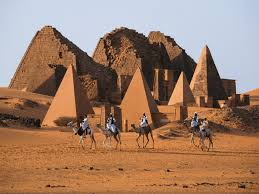
Kush, located in what is now Sudan, was an African kingdom with a rich history intertwined with Egypt. Rising around 1070 BCE, it flourished as a center of trade, culture, and military power.

Political and Military Influence

Kushite kings ruled Nubia and, at times, Egypt itself during the 25th Dynasty. Their armies defended trade routes and maintained control over gold-rich regions along the Nile.

Culture and Religion

Kushites adopted and adapted Egyptian religious practices, building pyramids, temples, and artwork in their own distinctive style. Gods like Amun and Isis were central, yet local deities maintained importance.

Decline and Legacy

Kush declined due to environmental changes and foreign invasions but left a lasting legacy in architecture, art, and African political history.

Conclusion

Kush exemplifies a sophisticated African civilization, highlighting the interconnectedness of Nile Valley cultures and the richness of premodern African history.
← The Giant Serpent Mounds of North AmericaThe Role of Astrology in Ancient Mesopotamia →
Featured
image_2026-01-03_005136223.png
Jan 2, 2026
Klaipėda to excavate potential explosives at central Atgimimo Square
Jan 2, 2026
Read More →
Jan 2, 2026
image_2026-01-03_003840036.png
Jan 2, 2026
Rare Medieval Flail Weapon Discovered Near Battle of Grunwald Site in Poland
Jan 2, 2026
Read More →
Jan 2, 2026
image_2026-01-03_002505099.png
Jan 2, 2026
Part of whale skeleton discovered on Hive Beach Burton Bradstock
Jan 2, 2026
Read More →
Jan 2, 2026
image_2026-01-03_002126505.png
Jan 2, 2026
50,000 Years of Island-Hopping Pigs Reveal Ancient Human Migration
Jan 2, 2026
Read More →
Jan 2, 2026
image_2026-01-03_001502889.png
Jan 2, 2026
Newly Uncovered Bronze Age Megasettlement in Wicklow Challenges Long-Held Beliefs About Ireland’s First Towns
Jan 2, 2026
Read More →
Jan 2, 2026
image_2026-01-03_000545548.png
Jan 2, 2026
Grace of Ancient Art Emerges in Laodikeia: Hermes Sculpture Head Discovered in Ongoing Excavations
Jan 2, 2026
Read More →
Jan 2, 2026
read more

Powered by The archaeologist